Statistics Results

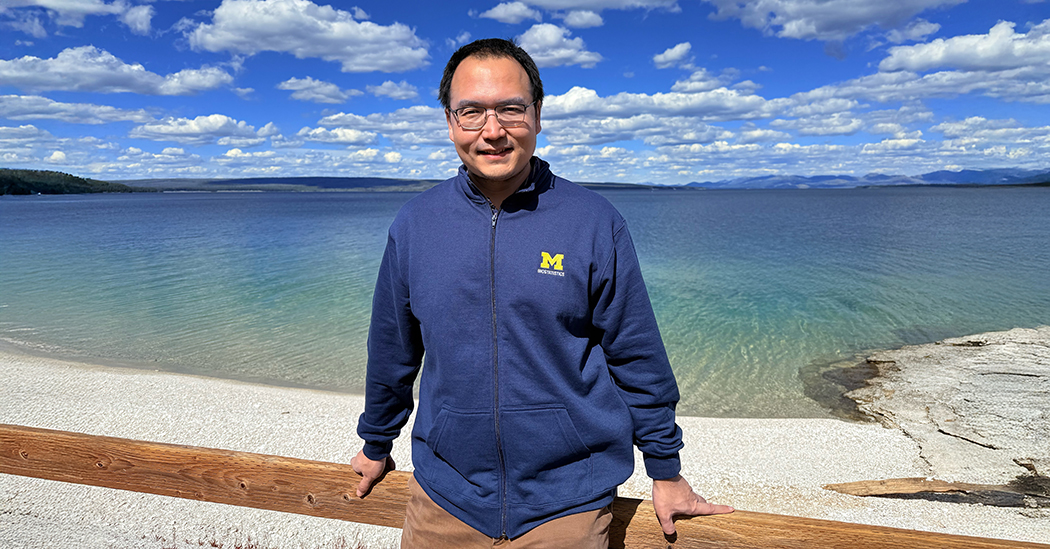
Donglin Zeng

University of Michigan biostatistics researcher turns complex health data into better treatment decisions

Honored with the 2026 Excellence in Research Award, Donglin Zeng develops tools that help clinicians identify more effective treatments for individual patients and guide public health decisions

University of Michigan biostatistician Donglin Zeng transforms complex health data into precision medicine tools that help clinicians personalize treatments and improve public health decisions. Honored with the 2026 Excellence in Research Award, his work blends statistics, machine learning and patient care to advance evidence-based medicine, vaccine research and healthier outcomes.

Two older people sit by a lake.

Michigan's a great place to grow older, say those who are doing it

More than a third of Michigan’s 10 million people are over 50, and a new poll shows that 82% of them see the state as a good to excellent place to live as they grow older. The new data from the Michigan Poll on Healthy Aging could help inform Michigan policymakers and organizations as they work to serve the needs of older Michiganders now and in the future.

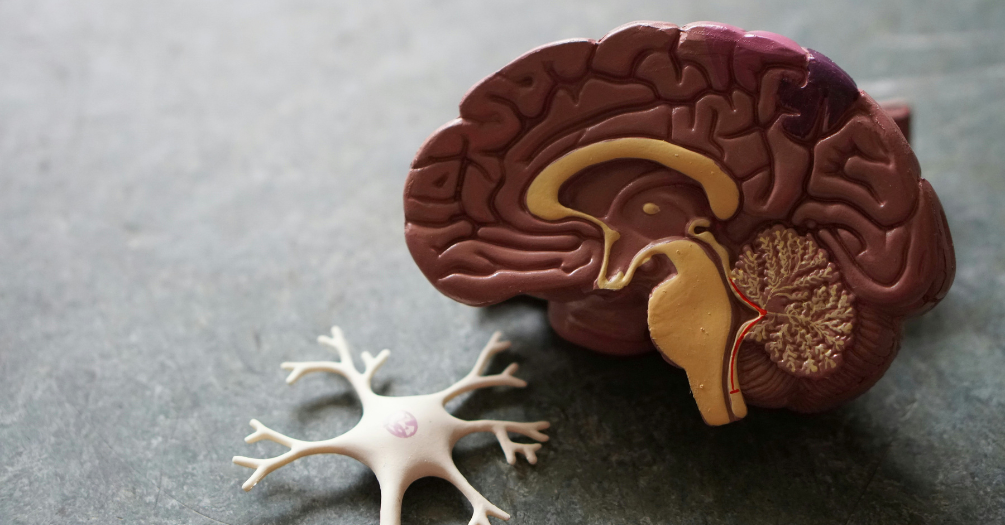
A medical model of a brain.

Alzheimer's Association partners with NPHA team for new brain health report

Most Americans over 40 say brain health is just as important as physical health, but only 9% say they actually know how to maintain it.

While most people believe lifestyle behaviors matter for brain health, fewer than half connect those behaviors to actually reducing their risk of Alzheimer's or other dementias, according to a new Alzheimer’s Association report developed in partnership with U-M's National Poll on Healthy Aging at the Institute for Healthcare Policy and Innovation.

Jian Kang in front of a body of water

From equations to impact: Advancing public health through biostatistics

Q&A with University of Michigan researcher Jian Kang on mental health, aging and cancer

Jian Kang is a professor and associate chair for Research in the Department of Biostatistics at Michigan Public Health, where he develops cutting-edge statistical methods for analyzing complex biomedical data. He’s particularly interested in brain-computer interfaces and neuroimaging, developing methods that help researchers better understand how the brain works and how it changes with age or disease.