Michigan's aging brains need more protection, poll shows
Most Michiganders 50 and older want to keep their brains healthy, but fewer than half know everyday habits can lower dementia risk, according to the Michigan Poll on Healthy Aging.
All Applications Open!
Apply Now
Most Michiganders 50 and older want to keep their brains healthy, but fewer than half know everyday habits can lower dementia risk, according to the Michigan Poll on Healthy Aging.

More than a third of Michigan’s 10 million people are over 50, and a new poll shows that 82% of them see the state as a good to excellent place to live as they grow older. The new data from the Michigan Poll on Healthy Aging could help inform Michigan policymakers and organizations as they work to serve the needs of older Michiganders now and in the future.

April highlights include a special report on brain health, research on the impact of Michigan’s nutrition assistance programs, and awards for faculty and staff across departments.
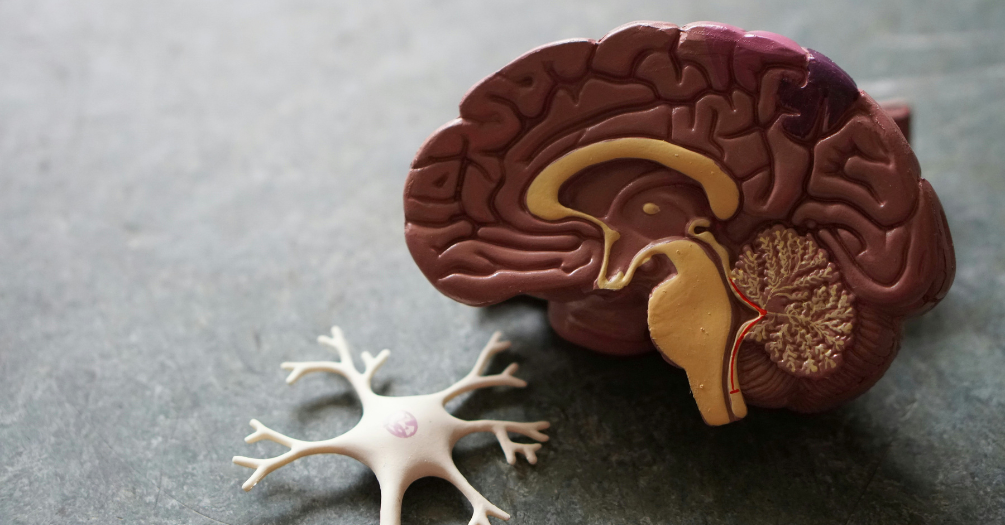
While most people believe lifestyle behaviors matter for brain health, fewer than half connect those behaviors to actually reducing their risk of Alzheimer's or other dementias, according to a new Alzheimer’s Association report developed in partnership with U-M's National Poll on Healthy Aging at the Institute for Healthcare Policy and Innovation.

A team of University of Michigan experts has received a federal grant to develop advanced statistical and computational methods for analyzing immune data to enhance our understanding of the immune system's role in aging and age-related diseases.

New U-M research reveals older adults with high cumulative lead exposure face nearly triple the Alzheimer's risk. The study suggests reducing population lead levels could prevent thousands of dementia cases annually.