
Michigan's aging brains need more protection, poll shows
Most Michiganders 50 and older want to keep their brains healthy, but fewer than half know everyday habits can lower dementia risk, according to the Michigan Poll on Healthy Aging.
All Applications Open!
Apply Now
Most Michiganders 50 and older want to keep their brains healthy, but fewer than half know everyday habits can lower dementia risk, according to the Michigan Poll on Healthy Aging.

Researchers measured glyphosate and its breakdown product AMPA in urine samples from pregnant women, then tracked how levels corresponded to shifts in estrogen, thyroid hormones, and CRH—a hormone tied to labor and stress response.
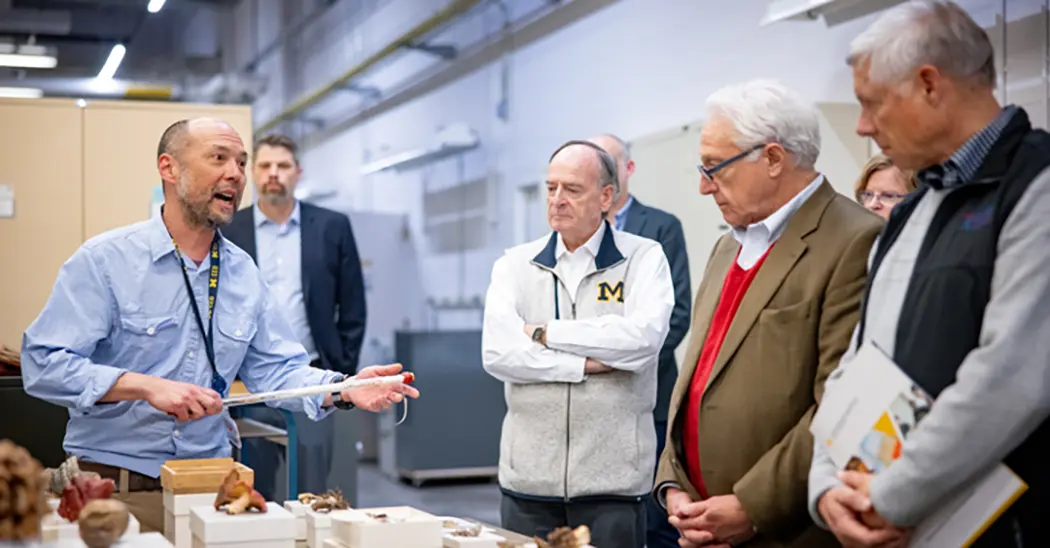
The University of Michigan hosted the Bipartisan Commission on Biodefense for campus discussions on strengthening US preparedness for biological threats. Leaders highlighted the need for sustained federal leadership, stable research funding, and bipartisan action. Speakers urged One Health coordination, clearer public communication, and updated biodefense strategy to protect supply chains and counter outbreaks.

University of Michigan’s Carina Gronlund investigates how Detroit’s neighborhoods, weather and housing shape health risks. Her research connects extreme heat, pollen and poor housing to sleep, cognitive health and disease—advancing environmental justice, public health, and community resilience amid shifting climate conditions.

Epidemiology professor Leigh Pearce is leading an international team conducting AI-driven analysis to predict ovarian cancer survival and treatment response. Their analysis will help guide treatment selection and clinical trial recommendations.

University of Michigan researcher receives a multimillion-dollar grant to use AI to better predict survival and treatment outcomes for the most common and deadly form of ovarian cancer.