Practice Results

Detroit skyline

Project HEARD Empowers Community Organizations for Effective Policy Change

The project utilizes community-academic partnerships to work toward defined policy goals set forth using a community-based participatory approach.

Project HEARD (Health Equity via Advocacy for Resources in Detroit), a Detroit URC policy initiative co-led by Michigan Public Health faculty and community partners, supports community-led efforts to advance health equity in Detroit and beyond.

Graphic that says synergy, challenge, and opportunity.

A look at anti-racism and community-based participatory research principles

New essay published in the American Journal of Public Health

University of Michigan School of Public Health researchers published an essay in the American Journal of Public Health (AJPH) examining the synergies, challenges, and opportunities between the principles of anti-racism and community-based participatory research (CBPR).

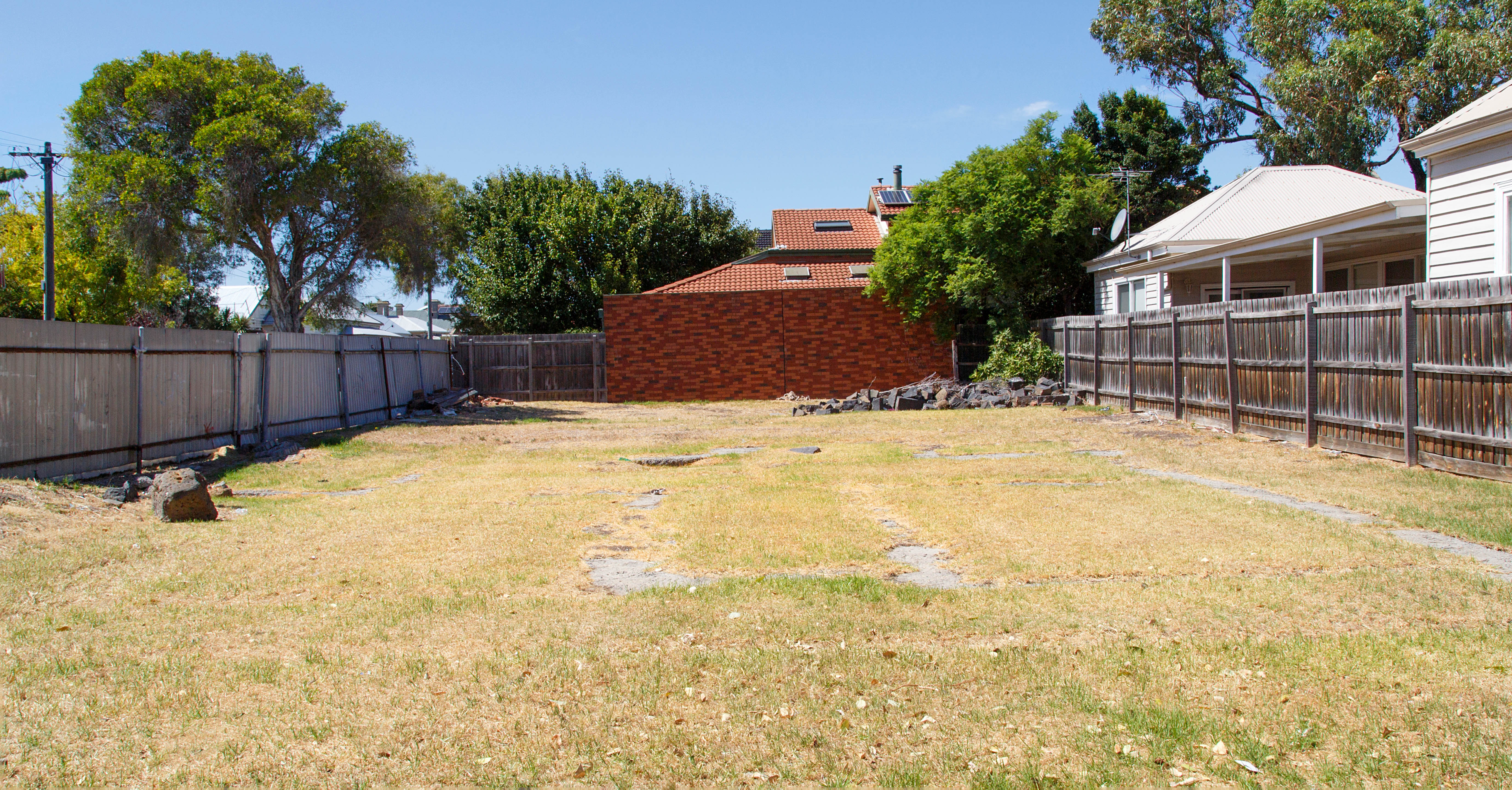
An image of a vacant lot where a house once stood.

$2.2M Grant To Fund Research on Link Between Vacant Lot Reuse, Firearms Violence Reduction

New research from Justin Heinze

University of Michigan researchers received a $2.2 million grant to assess the effect of community-driven, vacant lot remediation and reclamation efforts on reductions in firearm-related injury and mortality. Led by Justin Heinze, assistant professor of Health Behavior & Health Education, the project builds on more than a decade of U-M research in Michigan exploring the effects of vacant lot reuse on youth violence.

Parent and child talking in the kitchen

Conversation with Parents on Race Can Improve Black Adolescents' Mental Health

Q&A with Riana Elyse Anderson

Black parents' experiences of racial discrimination can negatively affect their children's psychological outcomes—but talking about these experiences and improving racial socialization competency could help prevent these negative outcomes, according to a new study by a University of Michigan researcher.