On the Heights: November 2025
November highlights include a National Academies leadership role, new research on AI adoption in healthcare and youth mental health reporting systems, faculty testimony on medical debt relief, and a new podcast series.
We're still accepting applications for Fall 2026!
Apply Today
November highlights include a National Academies leadership role, new research on AI adoption in healthcare and youth mental health reporting systems, faculty testimony on medical debt relief, and a new podcast series.
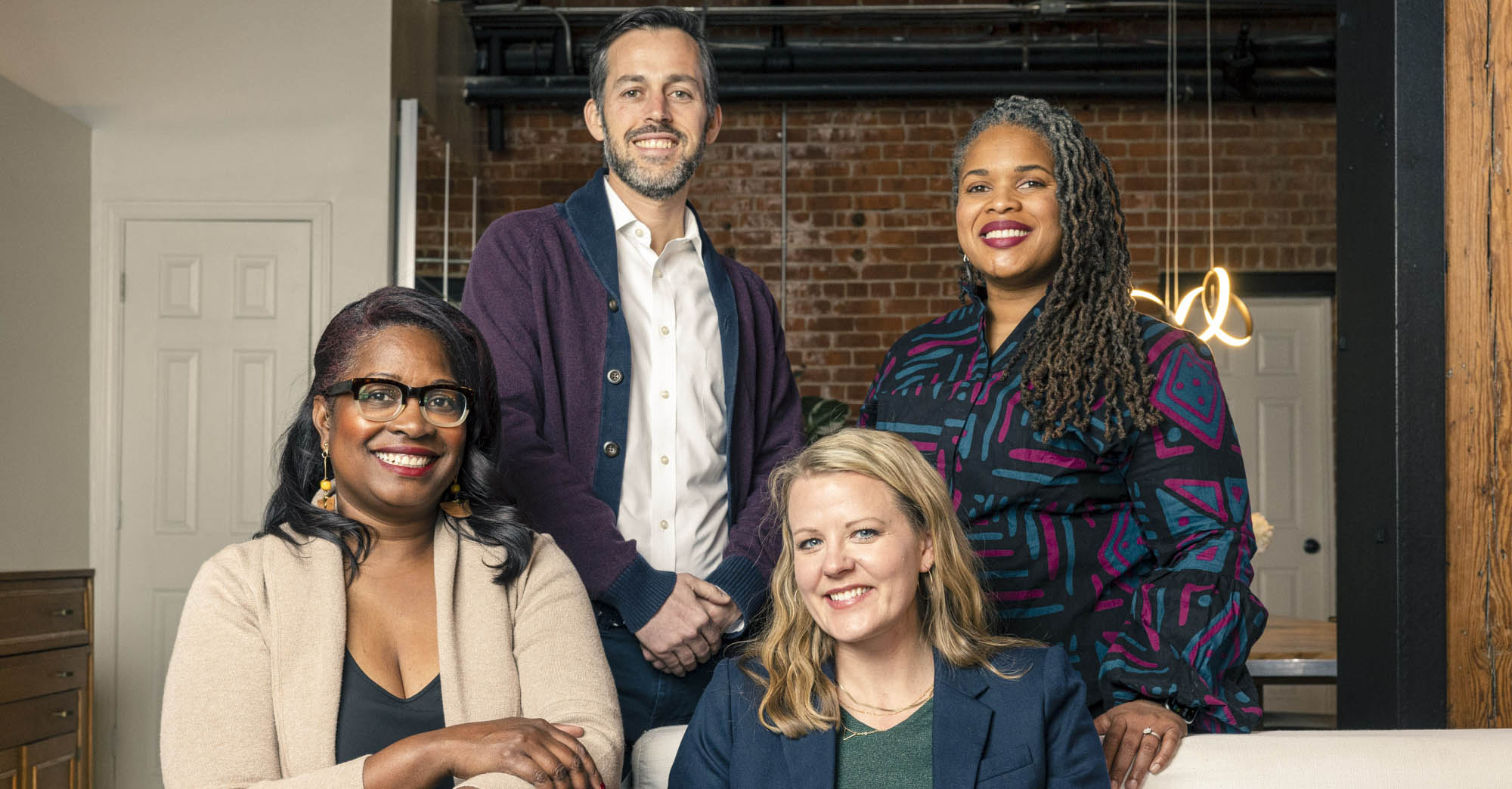
A Michigan Public Health team launches a collaborative to help public health institutions, universities, and communities transform training, research, and practice to address health disparities and advance equity.
Paul Fleming, an associate professor of Health Behavior & Health Equity and the faculty lead for diversity, equity, and inclusion received an award for his contributions to public health through teaching, community-based research and mentorship.
In February 2021, the Journal of the American Medical Association (JAMA) tweeted, “No physician is racist, so how can there be structural racism in health care?” The tweet was designed to promote a podcast that was ostensibly focused on structural racism yet did not include experts on the topic. The subsequent uproar highlighted the harm caused by deep intentional ignorance of the term structural racism, defined in the American Journal of Public Health as “policies and practices…that confer advantages on people considered White and ideologies that maintain these advantages, while simultaneously oppressing other racialized groups.”
As public health faculty passionate about health equity, Melissa Creary and Paul Fleming have spent their careers observing the ways in which racism creates barriers to health for communities. Now, the pair are laying plans to make an impact on public health education through anti-racist teaching, beginning in their own backyard.
People who experienced violence as children at home and in their community are at higher risk for violence with their partners later in life, new research shows.