New COVID-19 vaccine a good value for US, University of Michigan team finds
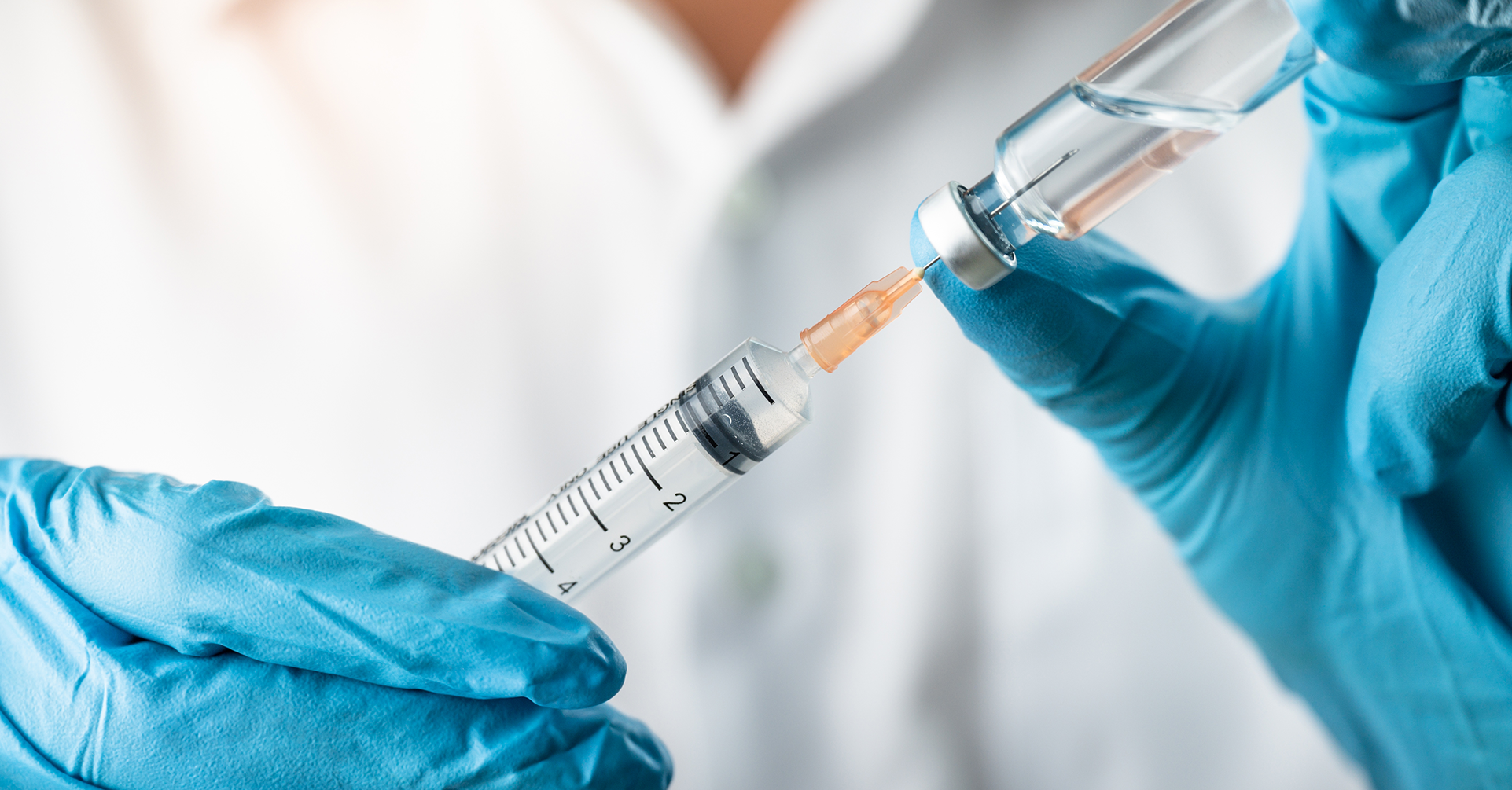
Economic model created for CDC shows that in older adults promoting updated vaccination will save the US money, while in other adults it should be reasonably cost effective.
The Center for the Assessment of Tobacco Regulations (CAsToR)—a collaboration between the University of Michigan, Georgetown University, and the BC Cancer Research Institute—recently received $20 million in funding to continue its research on the impact of tobacco regulations on tobacco use patterns and their downstream health effects.
Amir and Nicole Rubin believe the educational foundation they received at the University of Michigan School of Public Health was pivotal to their careers in the healthcare field. Their Michigan experience and the impact it has had on their careers and lives is why the Rubins have established the Rubin Department Chair of Health Management and Policy.
Worries that surgery patients would have a tougher recovery if their doctors had to abide by a five-day limit on opioid pain medication prescriptions didn’t play out as expected, a new study finds.
The University of Michigan recently received a $3.3 million grant to launch a comprehensive data science project that aims to inform best practices on pre- and post-surgical care procedures for patients with opioid use disorder.
Project HEARD (Health Equity via Advocacy for Resources in Detroit), a Detroit URC policy initiative co-led by Michigan Public Health faculty and community partners, supports community-led efforts to advance health equity in Detroit and beyond.