Severe COVID-19 May Be Linked to Long-Haul Symptoms
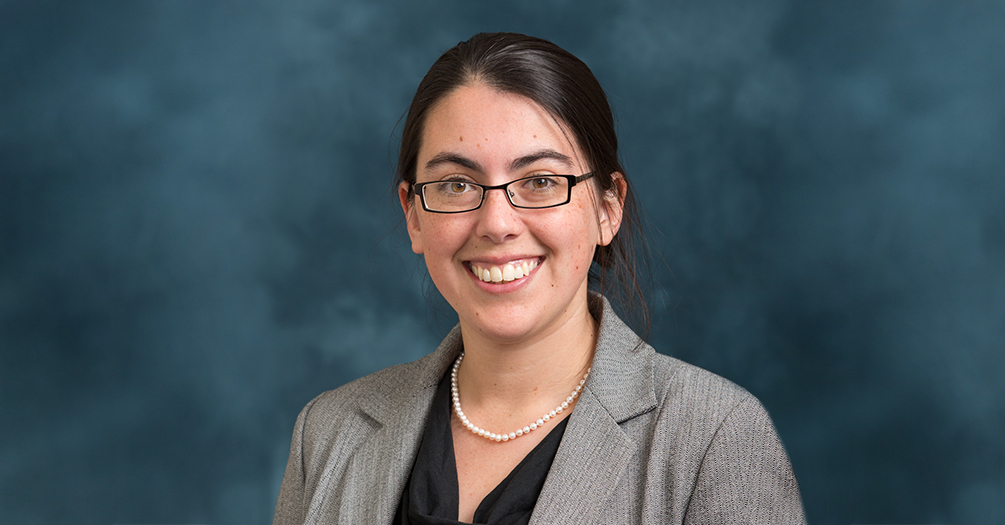
New research from Jana Hirschtick
People who experience very severe COVID-19 illness have a higher prevalence of persistent symptoms, according to a new University of Michigan study.
We're still accepting applications for Fall 2026!
Apply Today
People who experience very severe COVID-19 illness have a higher prevalence of persistent symptoms, according to a new University of Michigan study.
Fully vaccinated Americans can now safely shed their masks and skip social distancing, the U.S. Centers for Disease Control and Prevention said this week, sparking a flurry of questions about how the new guidelines will be implemented at businesses, schools and other places where fully vaccinated and unvaccinated people mingle.
Since the beginning of the pandemic, herd immunity has been portrayed as the holy grail to overcome the COVID-19 pandemic. Abram Wagner, research assistant professor of Epidemiology, explains why reaching herd immunity might not be as simple as we thought, and what vaccine hesitancy and availability have to do with it.
Certain genetic factors predictive of reproductive aging are also associated with menopause symptoms like hot flashes and night sweats, according to a University of Michigan-led study published in Menopause: The Journal of The North American Menopause Society.
Soon, Michigan residents will be able to search the number of coronavirus cases, hospitalizations and deaths by race, ethnicity, age and gender as University of Michigan experts expand the capabilities of the statewide coronavirus MI Safe Start dashboard.
United States coronavirus cases have increased again after hitting a low point late last month, and some of the states driving the upward trend have also been hit hardest by variants.