Mental Health

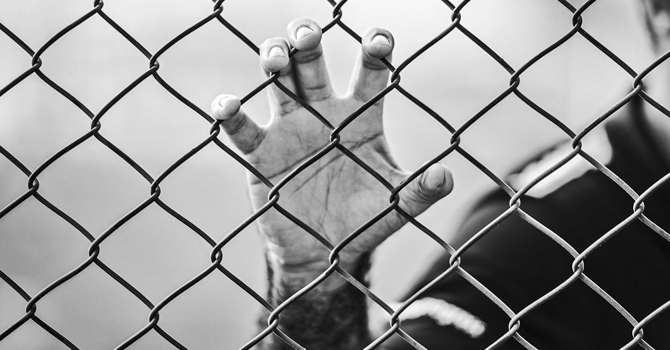
An imprisoned person grips a chain-link fence

Mental Health, Incarceration, and COVID-19

Chanese A. Forte

In the US, ten times more people with mental health disorders are in jail or prison than in mental health facilities. The coronavirus pandemic further complicates this matter, putting incarcerated individuals at increased risk of infection.

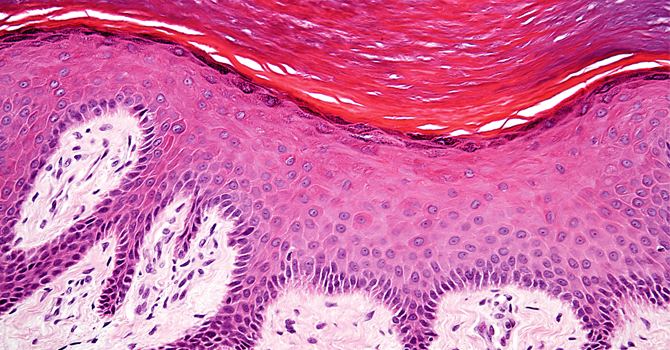
Micrograph of the epidermis and dermis of human finger skin.

The Worst Disease You've Never Heard Of: Caring for Children with Epidermolysis Bullosa

Bailey Brown, BS ’20

Children with epidermolysis bullosa are often called butterfly children—their skin seems to be as fragile as a butterfly’s wing. While there is no cure for EB, ongoing clinical trials have developed treatments to manage symptoms. Public health clinicians can help patients and their families build support networks by connecting them to local support groups and other families caring for children with EB.

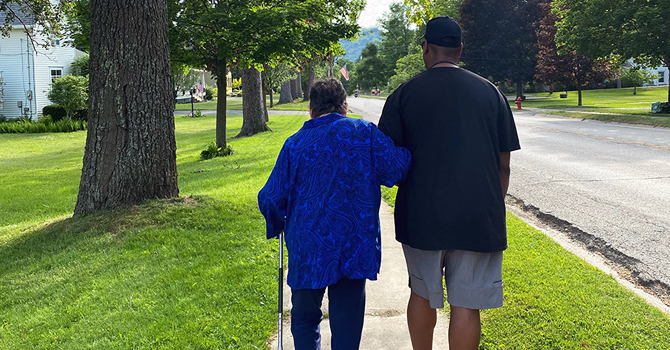
Adult daughter and father sitting at a restaurant reading paper.

Caring for Our Caregivers: The Unrecognized and Undervalued Family Caregiver

Minakshi Raj, PhD ’20

For years we have known that the US does not have a sufficient health care workforce to provide adequate health care for older adults. The current pandemic makes the situation all the more pressing. Now is the time to revisit and revise our policies and practices to reduce the burden of suffering for older Americans and their caregivers.

3 people in a business meeting

Homelessness and Job Security: Challenges and Interventions

Nisha Bharat, Jenna Cicatello, Emily Guo, and Vennela Vallabhaneni

On any given night, half a million people in the US face homelessness. Many people experiencing homelessness face a range of challenges with finding stable jobs. Providing resources to overcome common obstacles to stable employment is a good first step in combating this pervasive problem.