
Lifespan and Aging
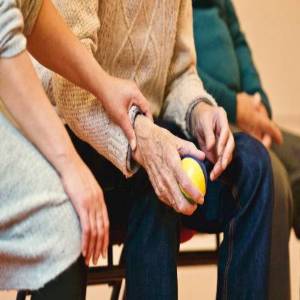 The world's population is aging rapidly. In the United States, adults aged 65 years
and older are expected to grow from 58 million in 2022 to 82 million by 2050 - a 42%
increase. Globally, the number of adults over 60 will double to 2.1 billion by 2050,
with most living in lower- and middle-income countries . Longer and healthier lives
are one of society’s great successes over the past century, thanks to advances in
healthcare, education, and living conditions. However, population aging also brings
higher rates of chronic diseases and functional limitations common in later life,
including cardiovascular disease, stroke, diabetes, frailty, and dementia. These conditions
are shaped by experiences and exposures throughout life.Addressing these challenges
requires consideration of the complex interactions between individuals and the diverse
physical, social, and cultural contexts in which they are situated over the life course.
The world's population is aging rapidly. In the United States, adults aged 65 years
and older are expected to grow from 58 million in 2022 to 82 million by 2050 - a 42%
increase. Globally, the number of adults over 60 will double to 2.1 billion by 2050,
with most living in lower- and middle-income countries . Longer and healthier lives
are one of society’s great successes over the past century, thanks to advances in
healthcare, education, and living conditions. However, population aging also brings
higher rates of chronic diseases and functional limitations common in later life,
including cardiovascular disease, stroke, diabetes, frailty, and dementia. These conditions
are shaped by experiences and exposures throughout life.Addressing these challenges
requires consideration of the complex interactions between individuals and the diverse
physical, social, and cultural contexts in which they are situated over the life course.
CSEPH researchers study how social and physical environments across the life course can support healthy aging and slow the rates of cognitive decline with age. Disparities exist in the onset and burden of chronic conditions over the life course, and CSEPH faculty are conducting research that moves beyond describing these inequalities to characterizing the processes that drive them and identifying points for intervention to address them. Work in this area centers on issues of cognitive impairment and decline, addressing mental health and functioning after stroke, and aging with a disability. CSEPH researchers are addressing questions such as: How are transitions in later life (e.g., work transitions such as retirement; residential transitions such as moving into an assisted living facility) related to suicide risk among older adults? What factors contribute to recovery - mental, physical, and functional - after stroke for older adults? How do contextual factors (e.g., neighborhood characteristics, social networks) influence whether someone can "age in place"? What are the types of data and measures needed to address the needs of the increasingly diverse aging US population? How can social protection policies be designed to support the healthy cognitive aging of older adults?