
Health Behavior and Health Equity Results

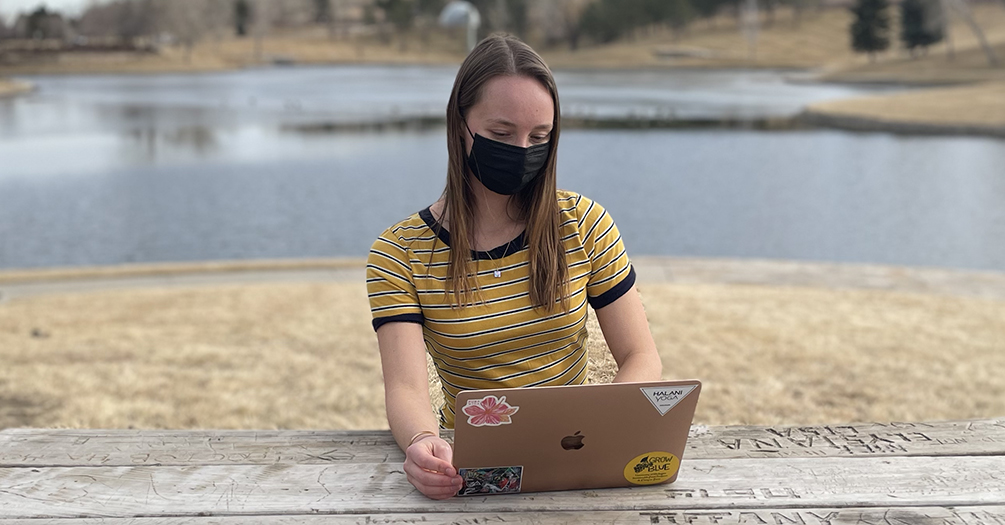
Adriane Kline, MPH '21, Health Behavior and Health Education, University of Michigan School of Public Health

A Global Journey for Sustainable Public Health

Over years and many miles of travel, master’s student Adriane Kline has honed her ability to integrate intercultural learning, thoughtful communication, team science, and a passion for the health of communities into long-term, sustainable, population health solutions.

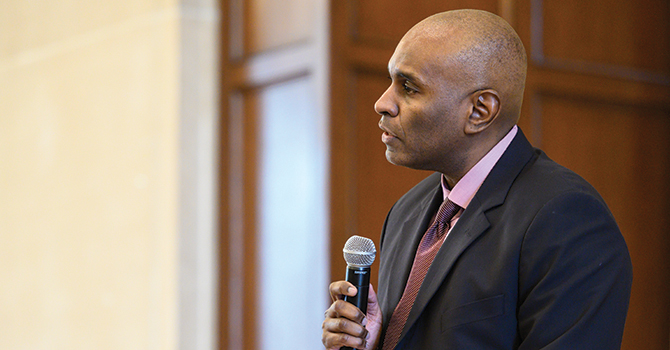
Utibe Effiong, MPH ’14, internal medicine physician at the MidMichigan Health Center in Mount Pleasant

Class Notes, In Memoriam, Storyline, and More

From class notes to mentoring opportunities to keeping in touch with old friends and current students, here are the latest updates and stories from the school and from our 17,000+ alumni around the world.

Geila Rajaee, PhD Student in Health Behavior and Health Education, University of Michigan School of Public Health

How Hospital Chaplains Are Helping People Deal with the Pandemic

The majority of Americans say they are aware of chaplains and desire their services, yet few report previous experience with them in health care. Geila Rajaee, a doctoral candidate at the U-M School of Public Health, discusses how chaplaincy is perceived in the US, and how that might be changing during the pandemic.

Elizabeth Brines, MPH '21, Health Behavior and Health Education, University of Michigan School of Public Health

Remote Global Health Internship Is Not an Oxymoron

Global internships last summer were rather different from what students might have envisioned. With a creative spirit, adaptable skills, and a passion for moving public health forward, Michigan students spent their summer months connecting with and learning from a variety of global health partners.

A physician works through an evaluation with a patient

Screening for Social Determinants of Health in Pediatric Settings

Early screening and intervention, including in the doctor’s office, can help address health inequities and mitigate their impact. The negative effects of childhood adversity extend to a variety of health outcomes. Screening promotes well-being by ensuring families have the resources they need to maintain a healthy environment for their child.